Through the use of social mapping techniques, the research work of the New Social Cartography of the Amazon Project (PNCSA) seeks to analyze the differentiated processes of territorialization which are currently underway in the Amazon region. In doing so, the work focuses on the relationship between these processes and the emergence of collective identities embedded […]
Untangling the Strategies of Capital

Ecuador’s Critical Geography Collective emerged in 2012 as a result of a happy encounter among geographers, social scientists and activists concerned with answering theoretical and practical questions about growing territorial tensions around the country. Even though Ecuador has had one of the most advanced constitutions in the world since 2008 pertaining to the rights of […]
Mapping inside (and outside) the Classroom

This reportage shows a collective process of knowledge production concerning a rural borderline region of Northeastern Uruguay. Getting to know the past and the present, and trying to imagine the future, was the means to analyze its transformations. By involving teachers, children and neighbours from five public elementary schools of the region, along with university […]
Indigenous Cartography in Acre
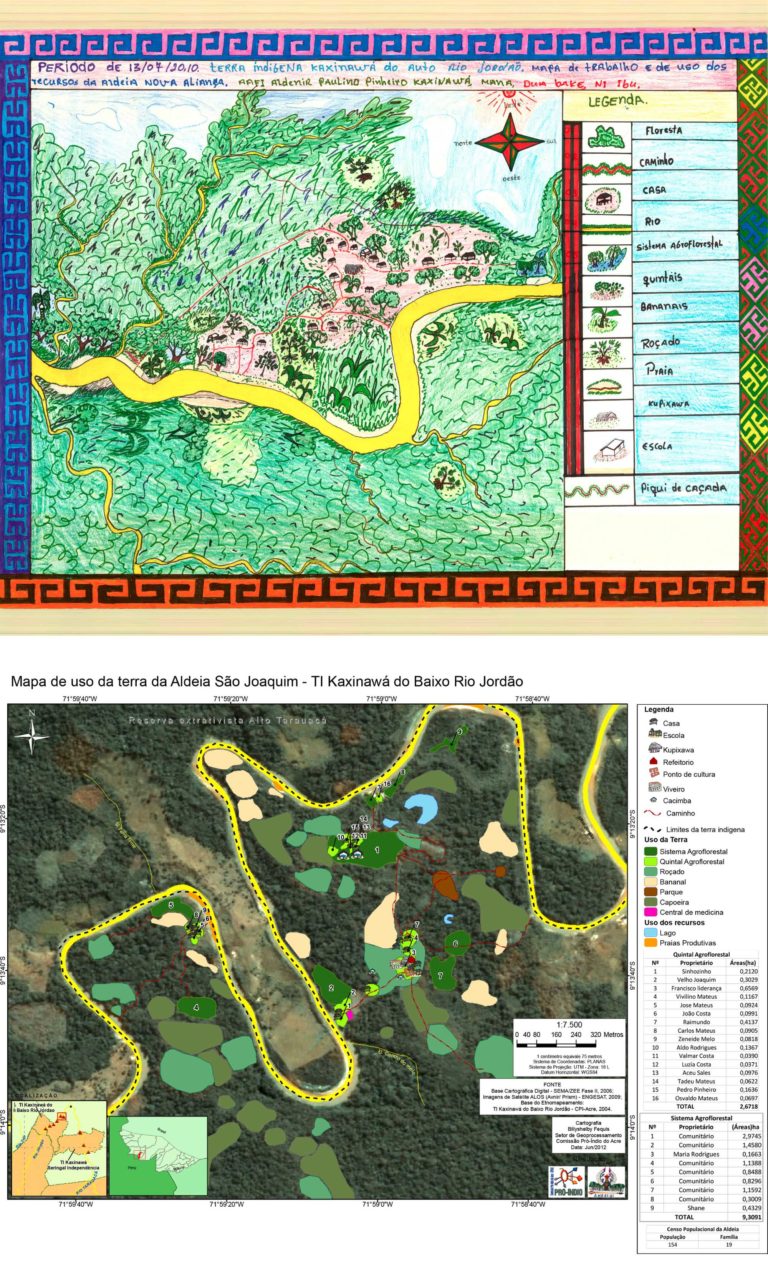
“The map is the mirror of our community, it serves to show what we learn and helps in understanding the territory.” IAAFs Raimundo Kaxinawá, 20081 The experience reported here refers to the Pro-Indian Commission of Acre (CPI / AC), which has been working to produce “Indigenous Cartography” with Indigenous Agroforestry Agents (IAAFs) as a means […]
Militarization of Rio de Janeiro’s Favelas
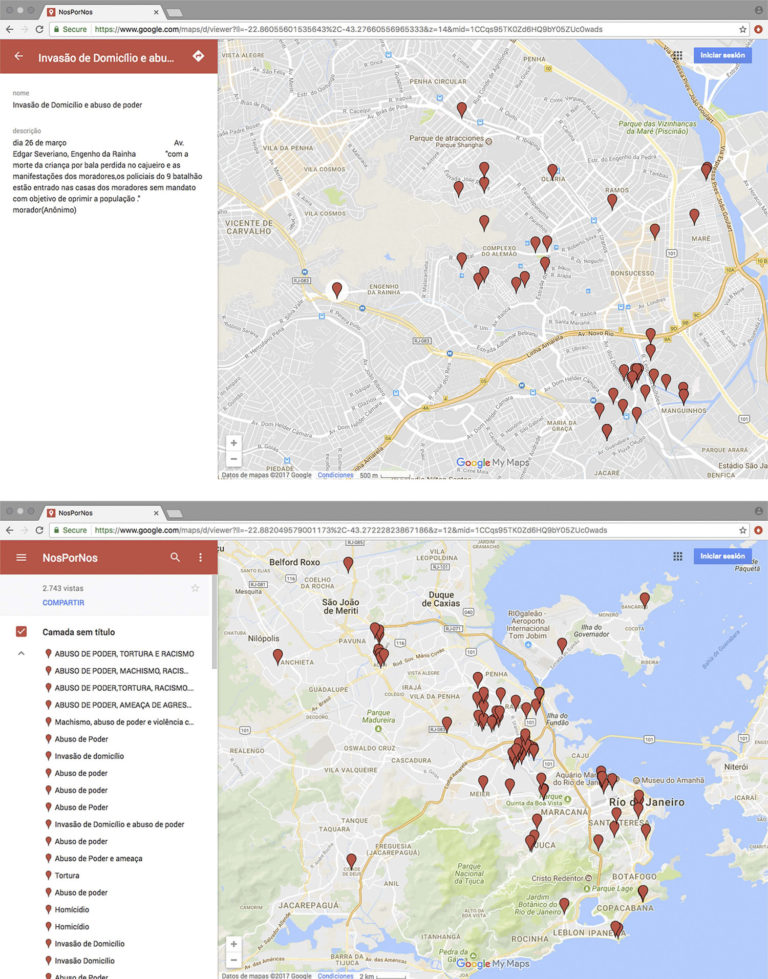
A young woman, identified only as Carolina, was going to school when the police raided her house. Grassroots communicators were violently prevented from doing their work and recording police operations in the favelas occupied by the Pacifying Police Unit (UPP) in Rio de Janeiro, which is a sign of the criminalization of social movements and […]